

You’ve Installed Solar. Now What? A Simple Maintenance Guide for Businesses

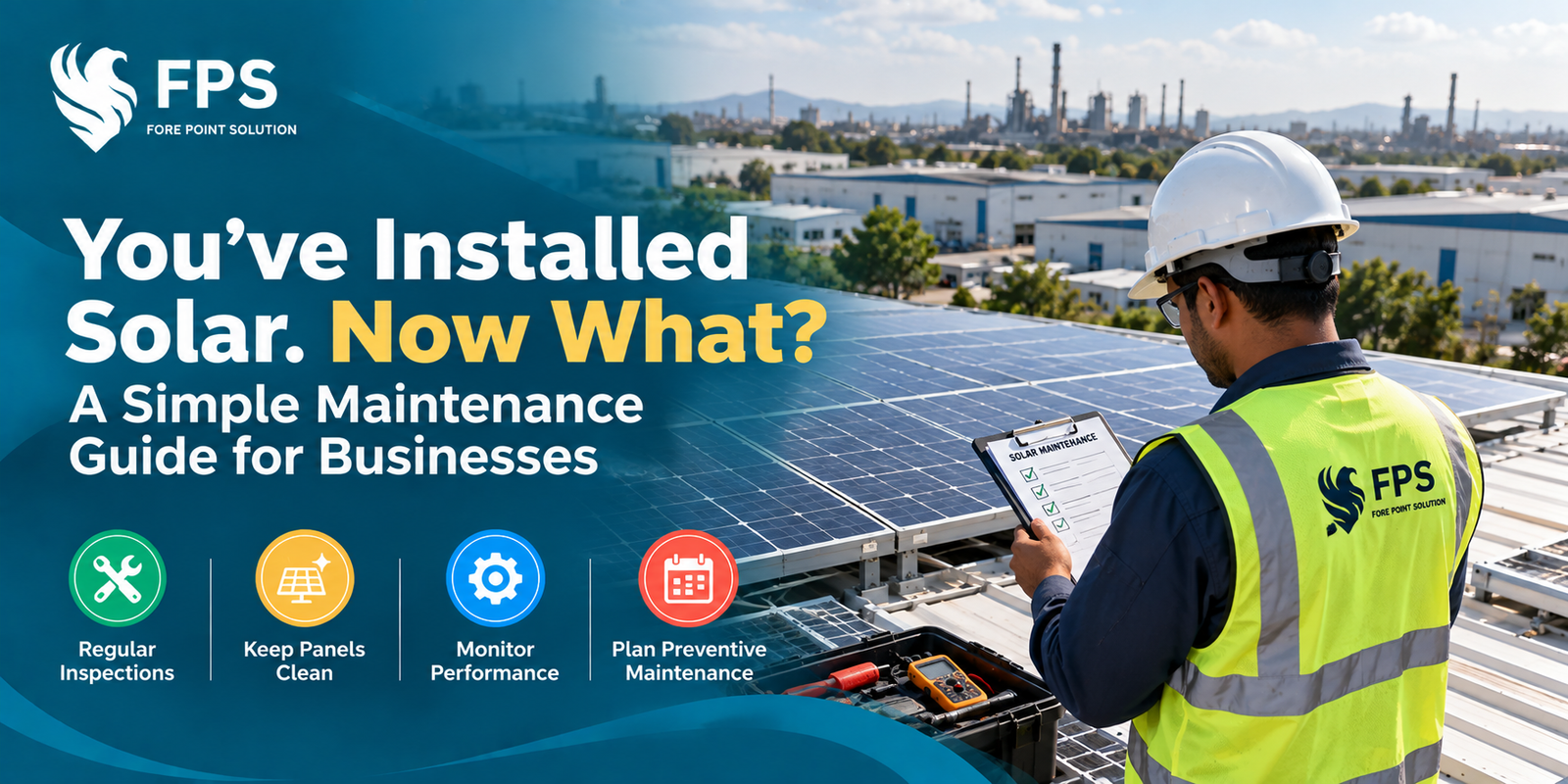
Getting your solar system installed is a big step for any business. But once the panels are on the roof and the system is switched on, the job is not completely finished.
Like any other equipment used by your business, a solar system needs regular monitoring and maintenance. The good news is that solar systems generally do not require complicated day-to-day maintenance.
What matters is knowing what to check, keeping the panels reasonably clean, watching the system’s performance and addressing problems when they appear.
A little attention can help you identify issues early instead of discovering them after they have affected your solar generation for a longer period.
Here is a practical maintenance guide for businesses that have already installed rooftop solar.
Start by Monitoring Your Solar Generation
One of the easiest ways to keep track of your solar system is to monitor how much electricity it generates.
Most modern solar installations have some form of monitoring through an inverter display, online portal or mobile application.
You may be able to see information such as:
- Daily electricity generation
- Monthly generation
- Inverter status
- System alerts
- Historical generation data
You do not need to check the system every hour.
Instead, make it a habit to review the generation periodically and look for unusual changes.
For example, if your system normally generates a certain amount under similar weather conditions but suddenly shows a significant drop, it may be worth investigating.
Keep in mind that generation will naturally change.
Cloudy weather, rain, seasonal sunlight and other conditions can affect daily output. A lower generation day does not automatically mean that something is wrong.
The important thing is to look for unexpected or persistent changes.
Keep Your Solar Panels Clean
Solar panels are exposed to the outdoor environment every day.
Over time, dust, dirt, bird droppings and other deposits can accumulate on the panel surface.
A layer of dirt can reduce the amount of sunlight reaching the solar cells and may affect electricity generation.
How often the panels need cleaning depends on the location.
A commercial building in a relatively clean area may need less frequent cleaning than a factory or warehouse located in a dusty industrial environment.
Rain can help remove loose dust, but it should not be treated as a complete replacement for planned cleaning.
This is particularly relevant during the monsoon. Rainwater may wash away some surface dust, but it may not remove bird droppings, oily deposits or stubborn dirt.
When cleaning is required, use an appropriate method and avoid putting workers at risk on the rooftop.
For larger commercial systems, it may be better to have cleaning carried out by trained personnel who understand rooftop safety.
Ready to Reduce Your Electricity Bills with Solar?
Find out how much you can save before future policy changes and rising demand increase costs. Get expert guidance on the right solar system and available subsidy benefits.
⚡ Solar Savings CalculatorPay Attention to Your Inverter
The inverter is an important part of a solar power system.
It converts the electricity generated by the solar panels into electricity that can be used by the building’s electrical system.
If the inverter stops working or shows an error, the solar system may not generate electricity as expected.
You do not need to open the inverter or carry out electrical repairs yourself.
Instead, regularly check the inverter display or monitoring platform for:
- Error messages
- Warning notifications
- Unexpected shutdowns
- Communication problems
- Unusual operating conditions
If an error keeps appearing, contact a qualified solar professional rather than repeatedly resetting the system without understanding the cause.
Don’t Ignore the Electrical System
Solar panels are only one part of the installation.
The system also includes cables, electrical panels, protection equipment, isolators, earthing and other components.
These should be inspected periodically by appropriately qualified personnel.
Business owners and facility managers can look for obvious warning signs such as visible cable damage, unusual smells, signs of overheating or repeated system shutdowns.
However, electrical equipment should not be opened or repaired by untrained staff.
If you notice something unusual, arrange for a professional inspection.
For commercial and industrial installations, this is particularly important because the solar system is connected to the building’s existing electrical infrastructure.
Check the Roof and Mounting Structure
The solar system sits on your roof, so the condition of the roof still matters after installation.
During routine inspections, check for visible issues such as:
- Water leakage
- Damaged roofing
- Corrosion
- Loose or damaged mounting components
- Changes around drainage areas
The mounting structure should remain secure and properly positioned.
After periods of strong wind or severe weather, it can be useful to arrange an inspection if you notice unusual movement, visible damage or a sudden change in system performance.
Do not climb onto the roof without appropriate safety arrangements.
Commercial rooftops can contain electrical equipment, fragile surfaces, drainage areas and other hazards.
Keep Drainage Areas Clear
This is an easy point to overlook.
Solar panels and mounting structures should not interfere with the roof’s normal drainage system.
During routine rooftop maintenance, make sure water outlets, gutters and drainage paths are not blocked by leaves, dirt or other material.
This is especially important before and during periods of heavy rainfall.
Water accumulation can create problems for the roof and may eventually affect equipment if drainage is not maintained properly.
Keeping the roof and drainage system clear is therefore part of maintaining the overall solar installation environment.
What Should You Check After Heavy Rain or Strong Winds?
Extreme weather does not automatically mean that your solar system has been damaged.
However, it is sensible to pay attention to the system after severe weather.
Check your monitoring system for any unusual changes in generation or alerts.
If there has been exceptionally strong wind, heavy rain or another severe weather event, a visual inspection can help identify obvious problems.
Look for signs such as:
- Visible panel damage
- Loose or displaced components
- Water leakage
- Damaged cables
- Unusual inverter alerts
Do not attempt to repair damaged electrical or rooftop equipment yourself.
If something looks unusual, arrange for a qualified professional to inspect it.
Create a Simple Solar Maintenance Schedule
You do not need a complicated maintenance programme.
A simple schedule can help your facility team stay organised.
Monthly
Review your solar generation and check the monitoring system for unusual alerts or changes.
Periodically
Clean the panels when required based on the site’s dust and environmental conditions.
Inspect accessible areas for visible dirt, damage or other issues.
After severe weather
Check the system monitoring data and arrange an inspection if there are signs of damage or unexpected performance changes.
Periodically through the year
Arrange professional inspection of electrical equipment, mounting structures and other system components as appropriate.
Keep records
Maintain basic records of:
- Solar generation
- Panel cleaning
- Inspections
- Repairs
- Equipment issues
- Maintenance visits
These records can help you understand how the system is performing over time.
Good Solar Maintenance Is Mostly About Paying Attention
You do not need to spend hours every week maintaining a commercial solar system.
The important thing is consistency.
Monitor your generation. Keep the panels clean when required. Pay attention to inverter alerts. Keep the roof and drainage areas in good condition. Arrange professional inspections when necessary.
Most importantly, do not ignore a problem simply because the solar system is still producing some electricity.
A system can continue operating while experiencing a performance or equipment issue.
Early attention can make it easier to identify the cause and take appropriate action.
For businesses in Palghar, Vasai-Virar, Boisar, Tarapur MIDC and surrounding areas, maintenance requirements can vary depending on the rooftop environment, dust levels, industrial activity, weather exposure and system design.
If your business already has a rooftop solar system and you need support with inspection, maintenance or performance monitoring, Fore Point Solution can help assess the system and identify areas that may require attention.
Frequently Asked Questions
How often should commercial solar panels be cleaned?There is no single cleaning schedule for every business. It depends on dust, pollution, bird activity, rainfall and the surrounding environment. Industrial locations may require more frequent cleaning.
Does rain clean solar panels completely?No. Rain can wash away loose dust, but it may not remove bird droppings, oily deposits or stubborn dirt.
How do I know if my solar system is underperforming?Monitor generation over time and look for unusual or persistent drops after considering weather and seasonal changes. Monitoring alerts can also provide useful information.
What should I do if my inverter shows an error?Check the monitoring system or display for the error information and contact a qualified solar professional if the issue persists. Avoid opening or repairing electrical equipment yourself.
Can business employees clean solar panels?Cleaning involves rooftop and electrical safety considerations. For commercial systems, cleaning should be carried out only when safe and by people who are appropriately trained and equipped.
Does solar maintenance differ for factories?It can. Factories may have higher dust levels, machinery, industrial activity and more complex electrical systems, which can affect cleaning and inspection requirements.
Should I inspect my solar system after heavy rain or strong winds?If severe weather has occurred, monitor system performance and arrange an inspection if you notice visible damage, unusual alerts, leakage or unexpected changes in generation.
Does regular maintenance guarantee higher solar generation?Maintenance can help keep the system operating properly and identify issues, but generation naturally varies with sunlight, weather, shading and other conditions.


