


How Can Factories Reduce Electricity Costs with Industrial Solar Power

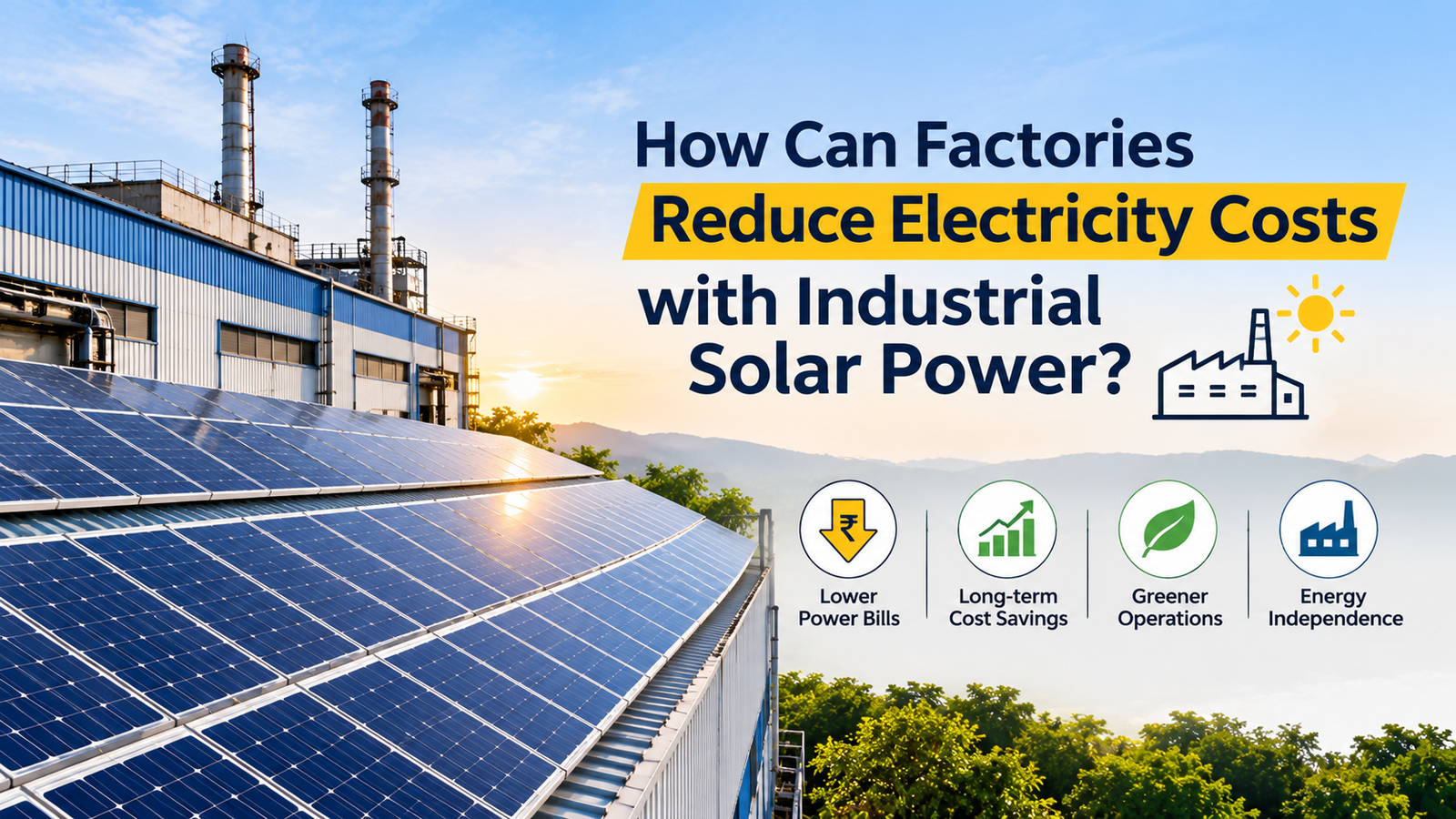
Electricity is one of the major operational expenses for manufacturing units and industrial facilities. Factories often require continuous power to operate machinery, production equipment, lighting, ventilation systems and other essential operations. As electricity consumption increases, managing energy expenses becomes an important part of maintaining business profitability.
With growing awareness of renewable energy, industrial solar power is emerging as a practical option for businesses looking to reduce their dependence on conventional electricity. By installing rooftop solar panels, factories can generate electricity using sunlight and utilise available industrial rooftop spaces more efficiently.
Maharashtra has a significant industrial presence, particularly across locations such as Boisar, Palghar, Vasai and surrounding manufacturing areas. Businesses in these regions can explore solar energy solutions based on their electricity consumption, infrastructure and operational requirements.
But how exactly can industrial solar power help factories reduce electricity expenses? Let’s explore its working mechanism, benefits, installation considerations and long-term financial advantages.
Why Are Factories Considering Solar Power?
Industrial electricity consumption can be substantial because manufacturing operations often depend on heavy machinery, automated equipment and large electrical systems.
Depending on their operating schedules and production requirements, factories may face considerable monthly electricity expenses.
Several factors are encouraging industrial businesses to consider solar energy.
Rising Electricity Expenses
Electricity tariffs and demand-related charges can significantly influence manufacturing costs. Generating a portion of electricity through solar power can help businesses manage their dependence on grid electricity.
High Daytime Electricity Consumption
Many manufacturing facilities operate during daylight hours, when rooftop solar systems generate electricity. This creates an opportunity to utilise solar power directly within the facility.
Availability of Rooftop Space
Factories and warehouses often have large rooftop areas that may be suitable for solar panel installation, subject to structural and technical assessments.
Focus on Sustainable Manufacturing
Businesses are increasingly exploring renewable energy to support environmental initiatives, reduce operational emissions and improve sustainability performance.
Long-Term Energy Planning
Solar installations can help businesses plan a portion of their electricity requirements through an on-site generation system.
For these reasons, industrial solar power is becoming an important consideration for businesses evaluating long-term energy management strategies.
How Does an Industrial Solar Power System Work?
An industrial solar power system converts sunlight into electricity that can be used to operate machinery, lighting, equipment and other electrical infrastructure within a factory.
The system generally consists of solar panels, inverters, mounting structures, electrical protection components and grid connectivity arrangements.
Here is how the process works:
Step 1: Solar Energy Generation
Solar panels installed on the factory rooftop capture sunlight and generate direct current (DC) electricity through photovoltaic technology.
Step 2: Electricity Conversion
Solar inverters convert the generated DC electricity into alternating current (AC), which is compatible with most industrial electrical equipment.
Step 3: On-Site Electricity Consumption
The generated solar electricity can be used to support the factory’s operational requirements, reducing the amount of electricity purchased from the grid.
Step 4: Grid Integration
In a grid-connected installation, the electricity network can supply additional power whenever solar generation is insufficient.
Step 5: Surplus Electricity Management
Where permitted and approved under applicable regulations, surplus electricity may be exported to the grid through an eligible metering arrangement.
Industrial solar systems can be designed according to the facility’s electricity consumption, available rooftop area, electrical infrastructure and operating schedule.
Key Benefits of Solar Installation for Manufacturing Units
Installing an industrial solar power system can provide several operational and financial benefits.
Reduced Electricity Expenses
Solar generation can offset a portion of the electricity consumed by the factory. This can help reduce grid electricity purchases, particularly when solar generation matches daytime operational demand.
Better Utilisation of Rooftop Space
Large factory and warehouse rooftops can provide suitable installation areas for solar panels. This allows businesses to utilise existing infrastructure for electricity generation.
Long-Term Cost Management
Generating electricity on-site can help businesses manage a portion of their future energy requirements and reduce exposure to changes in grid electricity costs.
Support for Sustainability Goals
Solar energy is a renewable electricity source. Using it can help businesses reduce their reliance on conventional grid electricity and support environmental sustainability initiatives.
Potential Improvement in Energy Planning
Industrial solar systems can be integrated into a broader energy management strategy, allowing businesses to evaluate generation, consumption and operational efficiency.
Support for Business Competitiveness
Businesses that actively manage their energy consumption and operating expenses may improve their overall cost efficiency over time.
The actual benefits depend on system capacity, generation levels, consumption patterns and applicable electricity regulations.
Factors to Consider Before Installing Industrial Solar Panels
Industrial solar installation requires detailed technical planning because factories have different energy requirements, rooftop structures and electrical configurations.
Before investing in a solar power system, businesses should evaluate the following factors.
Factory Rooftop Area
The available rooftop area determines how many solar panels can be installed. A structural assessment should also verify whether the roof can safely support the proposed installation.
Electricity Consumption Patterns
Reviewing electricity bills and load profiles helps determine how much solar electricity the factory can use during operating hours.
System Capacity
The solar system should be designed according to electricity requirements, available rooftop space, electrical infrastructure and applicable regulations.
Solar Panel and Inverter Selection
Equipment should be selected based on efficiency, performance specifications, compatibility, warranties and project requirements.
Electrical Infrastructure
Industrial facilities may have complex electrical distribution systems. The proposed solar installation must be compatible with the existing infrastructure and meet applicable safety requirements.
Grid Connectivity and Regulatory Approvals
Businesses should review applicable Maharashtra electricity regulations, metering arrangements, sanctioned load requirements and approvals from the relevant distribution licensee.
Installation and Maintenance Planning
Installation schedules should be coordinated with factory operations to minimise disruption. Maintenance access and system monitoring should also be considered during project planning.
A comprehensive feasibility assessment can help businesses identify potential challenges before beginning installation.
How to Calculate ROI on an Industrial Solar Power System
Understanding the return on investment is important for businesses considering an industrial solar installation.
Rather than evaluating only the initial installation cost, factories should calculate potential electricity savings and long-term operating expenses.
Step 1: Analyse Current Electricity Expenses
Review electricity bills for the previous 12 months. Identify monthly consumption, tariff rates, demand charges and seasonal variations.
Step 2: Estimate Solar Electricity Generation
Determine the proposed solar system capacity and estimate its monthly electricity generation based on location, rooftop conditions and equipment specifications.
Step 3: Calculate Electricity Cost Savings
Estimate the value of electricity generated and consumed within the factory.
For example:
- Illustrative monthly solar generation: 10,000 units
- Assumed value of electricity: ₹8 per unit
- Illustrative value of generated electricity: ₹80,000 per month
This represents an indicative gross electricity value, not guaranteed savings. Actual savings depend on the proportion of electricity consumed on-site, applicable tariffs, demand charges, export credits and other billing conditions.
Step 4: Calculate Annual Financial Benefits
Multiply the estimated monthly savings by 12, while considering seasonal generation variations, maintenance expenses and applicable billing arrangements.
Step 5: Estimate the Payback Period
A simple payback calculation can be made using:
Payback Period = Initial Investment ÷ Annual Net Savings
Businesses should also account for inverter replacement, equipment degradation, maintenance and changes in electricity tariffs when evaluating the long-term financial viability of a project.
A professional financial and technical assessment can provide a more realistic estimate of the expected return.
How to Plan an Industrial Solar Installation Project
A successful industrial solar project requires coordination between technical teams, facility managers, electrical contractors and the solar installation partner.
Businesses should follow a structured approach before moving ahead.
Conduct an Energy Audit: Analyse electricity consumption, operating schedules, peak demand and opportunities for solar integration.
Evaluate Rooftop Feasibility: Assess available space, structural strength, shading conditions and installation accessibility.
Determine the Required Capacity: Select a system capacity based on energy consumption and technical feasibility.
Compare Equipment and Quotations: Evaluate solar panels, inverters, mounting structures, warranties and overall installation costs.
Plan Installation Activities: Coordinate project execution with factory operations to minimise disruption to manufacturing activities.
Monitor System Performance: Track electricity generation, consumption and system performance to identify operational issues and maintain efficiency.
For businesses in Maharashtra’s industrial locations, including Boisar, Palghar and Vasai, rooftop solar can be explored as part of a long-term energy management strategy.
Fore Point Solution can be approached by industrial and commercial property owners looking to explore solar installation requirements and suitable rooftop solutions.
Looking to reduce your factory’s electricity expenses? Connect with Fore Point Solution to discuss your industrial rooftop solar requirements and explore a suitable solar installation solution for your facility.
Frequently Asked Questions
- Can factories reduce electricity expenses with industrial solar power?
Yes. Factories can generate electricity through rooftop solar panels and use it for their operations, reducing the amount of electricity purchased from the grid. Actual savings depend on generation and consumption patterns.
- How much rooftop space is required for industrial solar installation?
The required area depends on the proposed system capacity, panel wattage, layout, spacing and rooftop conditions. A site assessment helps determine the available installation capacity.
- Is industrial solar power cost-effective for manufacturing units?
Industrial solar can be financially beneficial for facilities with suitable rooftops and consistent electricity consumption. Businesses should evaluate installation costs, expected generation and potential savings before investing.
- Can factories operate entirely on solar energy?
Some facilities may meet a substantial portion of their electricity requirements through solar generation, but complete energy independence requires careful planning, sufficient generation capacity and suitable energy storage or alternative power arrangements.
- What is the lifespan of industrial solar panels?
Solar panels are generally designed for long-term operation, with many manufacturers offering performance warranties extending to 25 years or more. Actual performance depends on product quality, installation and maintenance.
- Do industrial solar systems require battery storage?
Not necessarily. Grid-connected industrial solar systems can operate without batteries. Battery storage may be considered when backup electricity or energy management requirements justify the additional investment.
- Is rooftop solar suitable for warehouses and factories in Maharashtra?
Yes. Warehouses and factories can explore rooftop solar installations based on available roof space, structural suitability, electricity consumption and applicable grid-connection regulations.
- How can a business estimate its industrial solar installation cost?
The cost depends on system capacity, panel and inverter specifications, mounting structures, electrical infrastructure and installation complexity. A customised technical assessment and quotation provide a more accurate estimate.


