


Rooftop Solar Panel Installation for Housing Societies in Virar: How Communities Are Reducing Common Electricity Costs

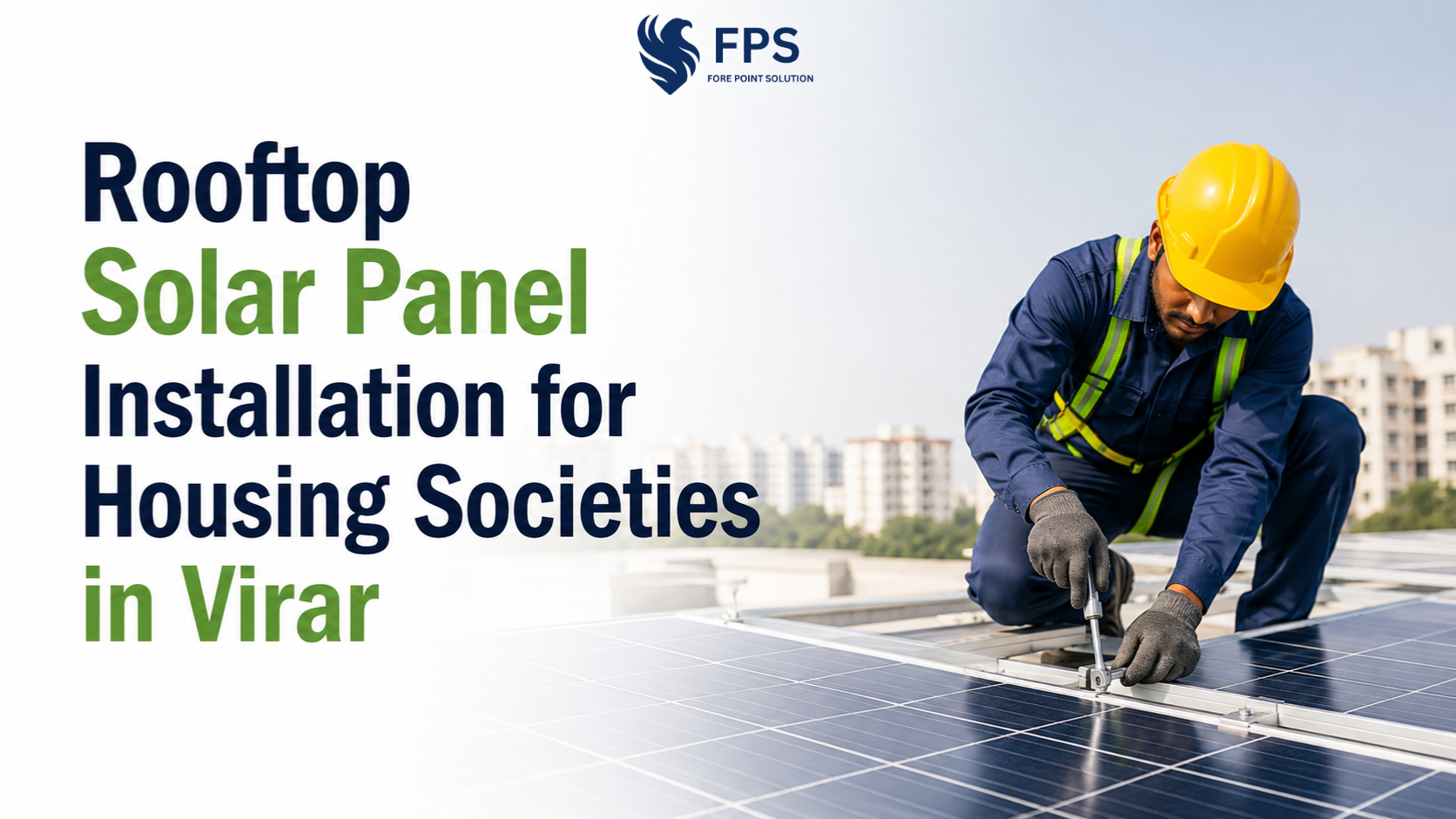
Housing societies in Virar are increasingly exploring rooftop solar panel installations as a practical solution for managing rising common electricity expenses. Over the years, residential complexes have witnessed a steady increase in maintenance costs due to higher electricity consumption from elevators, water pumps, parking lights, corridor lighting, security systems, CCTV infrastructure, and clubhouse facilities.
For many societies, common area electricity bills form a significant part of monthly maintenance expenses shared among residents. As electricity tariffs continue increasing, housing societies are now looking for long-term energy solutions that can help reduce operational costs while supporting sustainable living practices.
Rooftop solar systems are emerging as one of the most effective solutions because they allow societies to generate electricity using available terrace space without affecting daily residential operations. This growing shift is also increasing demand for experienced solar installation providers such as Fore Point Solution that understand the technical and operational requirements of apartment and housing society projects in Virar.
Why Housing Societies Have Higher Electricity Expenses Than Most Residents Realize
Many residents are often unaware of how much electricity a housing society consumes every day beyond individual apartment usage. Common area operations require continuous electricity supply throughout the day and night, resulting in substantial monthly power consumption.
Elevators are one of the largest contributors to common electricity expenses in multi-storey residential buildings. Frequent lift usage across multiple floors significantly increases energy consumption over time. Water pumps used for overhead tank filling and daily water distribution also operate regularly, adding to electricity costs.
In addition, parking lights, staircase lighting, corridor illumination, security cabins, CCTV systems, intercom infrastructure, and gate automation systems consume electricity continuously. Clubhouses, gyms, and community halls further increase energy usage in larger societies.
As societies expand amenities and security infrastructure, common meter electricity consumption naturally rises. These expenses are typically distributed among residents through monthly maintenance charges.
This is one of the key reasons many housing societies in Virar are now considering rooftop solar systems as a way to reduce common electricity dependency and improve long-term financial planning.
How Rooftop Solar Helps Reduce Society Maintenance Pressure
One of the biggest advantages of rooftop solar systems for housing societies is the reduction in common area electricity expenses. Since solar systems generate electricity during daytime hours, societies can offset a substantial portion of the electricity consumed by lifts, water pumps, lighting systems, and security infrastructure.
Lower common electricity bills directly help reduce financial pressure on monthly maintenance collections. Over time, this creates more predictable operational costs for society management committees and residents alike.
Another important advantage is long-term savings stability. Conventional electricity tariffs may continue increasing over the years, whereas solar energy systems provide more consistent energy cost management after installation.
For many housing societies, rooftop solar installations also improve budgeting efficiency. Instead of depending entirely on fluctuating utility expenses, societies gain better control over shared infrastructure energy costs.
Some societies may choose to use the savings generated through solar systems for maintenance improvements, infrastructure upgrades, or reserve fund management. As a result, rooftop solar installations are increasingly being viewed as long-term financial infrastructure investments rather than only renewable energy projects.
The Biggest Challenge: Rooftop Space vs Energy Requirement
Although rooftop solar offers several benefits for housing societies, one of the biggest implementation challenges is balancing available rooftop space with overall energy requirements.
Unlike independent homes or factories, apartment societies often have limited terrace availability because rooftops are already occupied by water tanks, lift rooms, mobile towers, utility pipelines, and maintenance access areas. Proper solar planning becomes essential to utilize the remaining space efficiently.
Shadow analysis is another important factor. Nearby buildings, water tanks, parapet walls, and rooftop structures may create shading during certain hours, affecting solar energy generation efficiency.
In larger societies with multiple residential wings, solar system planning becomes even more complex because energy consumption patterns may vary between buildings. Installers must carefully design panel layouts, inverter configurations, and cable routing systems to optimize available space.
Structural assessment is also critical before installation. Since solar mounting structures add weight to rooftops, societies often conduct structural evaluations to ensure long-term safety and stability.
Professional planning helps housing societies maximize rooftop utilization while maintaining accessibility and safety requirements for other rooftop infrastructure.
What Housing Society Committees Should Check Before Solar Installation
Before approving a rooftop solar project, housing society committees should carefully evaluate several technical and operational factors.
One of the most important steps is conducting a structural audit of the building rooftop. Structural stability assessments help ensure the terrace can safely support solar panels and mounting systems for long-term use.
Committees should also review the experience and technical capabilities of the solar installation provider. Housing society projects require specialized planning compared to individual residential systems because they involve shared infrastructure and higher electricity loads.
Net metering procedures should be clearly understood before installation. Societies should evaluate how excess electricity generation will be managed and how billing adjustments will affect long-term savings.
Maintenance planning is equally important. Solar systems require periodic cleaning, inspections, and monitoring to maintain efficiency. Long-term service agreements help ensure reliable performance and faster troubleshooting support when required.
Waterproofing practices and electrical safety standards should also be reviewed carefully. Poor installation methods may create rooftop leakage or electrical risks during monsoon seasons if not handled properly.
Working with experienced providers helps societies avoid operational complications and improve long-term project reliability.
Why Local Solar Support Matters for Housing Societies in Virar
For housing societies, solar installation is not just a one-time infrastructure project. Long-term performance depends heavily on maintenance support, inspections, and technical monitoring.
Local solar installation providers can respond more quickly when societies require troubleshooting, inverter checks, performance inspections, or maintenance visits. Faster support becomes especially important in residential communities where uninterrupted operation of lifts, pumps, and common systems is essential.
Nearby installers also understand local environmental conditions better, including rooftop exposure patterns, rainfall intensity, and building structures commonly found in Virar. This allows them to recommend more practical installation strategies and maintenance schedules.
Housing societies often require regular coordination between committee members, facility managers, and installation providers. Working with nearby service teams simplifies communication and long-term project management.
Companies such as Fore Point Solution are increasingly helping housing societies in Virar implement rooftop solar systems designed specifically for shared residential infrastructure and long-term operational efficiency.
Housing Societies in Virar Are Moving Toward Smarter Shared Energy Systems
The growing adoption of rooftop solar systems in Virar reflects a broader shift toward smarter and more sustainable residential infrastructure. Housing societies are increasingly focusing on reducing operational costs while improving long-term financial planning for residents.
As electricity usage continues increasing due to modern amenities and shared infrastructure systems, renewable energy solutions are becoming more relevant for apartment communities. Rooftop solar installations provide societies with greater energy independence, lower maintenance pressure, and more predictable electricity expenses over time.
The transition toward solar-powered residential infrastructure is also encouraging more environmentally responsible community planning across Virar. Housing societies that invest in well-planned rooftop solar systems today are positioning themselves for long-term financial and operational benefits in the future.
FAQs – Rooftop Solar Panel Installation for Housing Societies in Virar
1. Why are housing societies in Virar installing rooftop solar systems?
Housing societies are adopting rooftop solar systems to reduce common area electricity expenses and improve long-term maintenance cost management.
2. What common area facilities can solar systems support?
Solar systems can help offset electricity usage from lifts, water pumps, corridor lighting, parking lights, CCTV systems, and clubhouse infrastructure.
3. Can apartment rooftops support solar panel installations?
Yes, most apartment rooftops can support solar installations after proper structural assessment and rooftop planning.
4. How do rooftop solar systems reduce society maintenance expenses?
Lower common electricity bills help reduce operational costs, which can ease maintenance burden on residents over time.
5. What challenges do housing societies face during solar installation?
Common challenges include limited rooftop space, shading issues, structural planning, waterproofing concerns, and system design optimization.
6. Do housing societies need net metering for rooftop solar systems?
Net metering helps societies manage excess electricity generation by transferring unused power back to the grid for energy credits.
7. How important is maintenance for society solar systems?
Periodic cleaning, inspections, and monitoring help maintain long-term solar efficiency and system reliability.
8. Why should housing societies prefer local solar installation providers?
Local providers can offer faster technical support, easier maintenance coordination, and better understanding of regional installation conditions.
9. Can rooftop solar systems work during monsoon seasons?
Yes, solar panels continue generating electricity during cloudy conditions, although energy generation may temporarily reduce during heavy rainfall.
10. Which company provides rooftop solar installation services for housing societies in Virar?
Companies such as Fore Point Solution provide rooftop solar installation solutions designed for housing societies and apartment infrastructure in Virar.


