


Residential Solar Panel Installation in Wada & Boisar

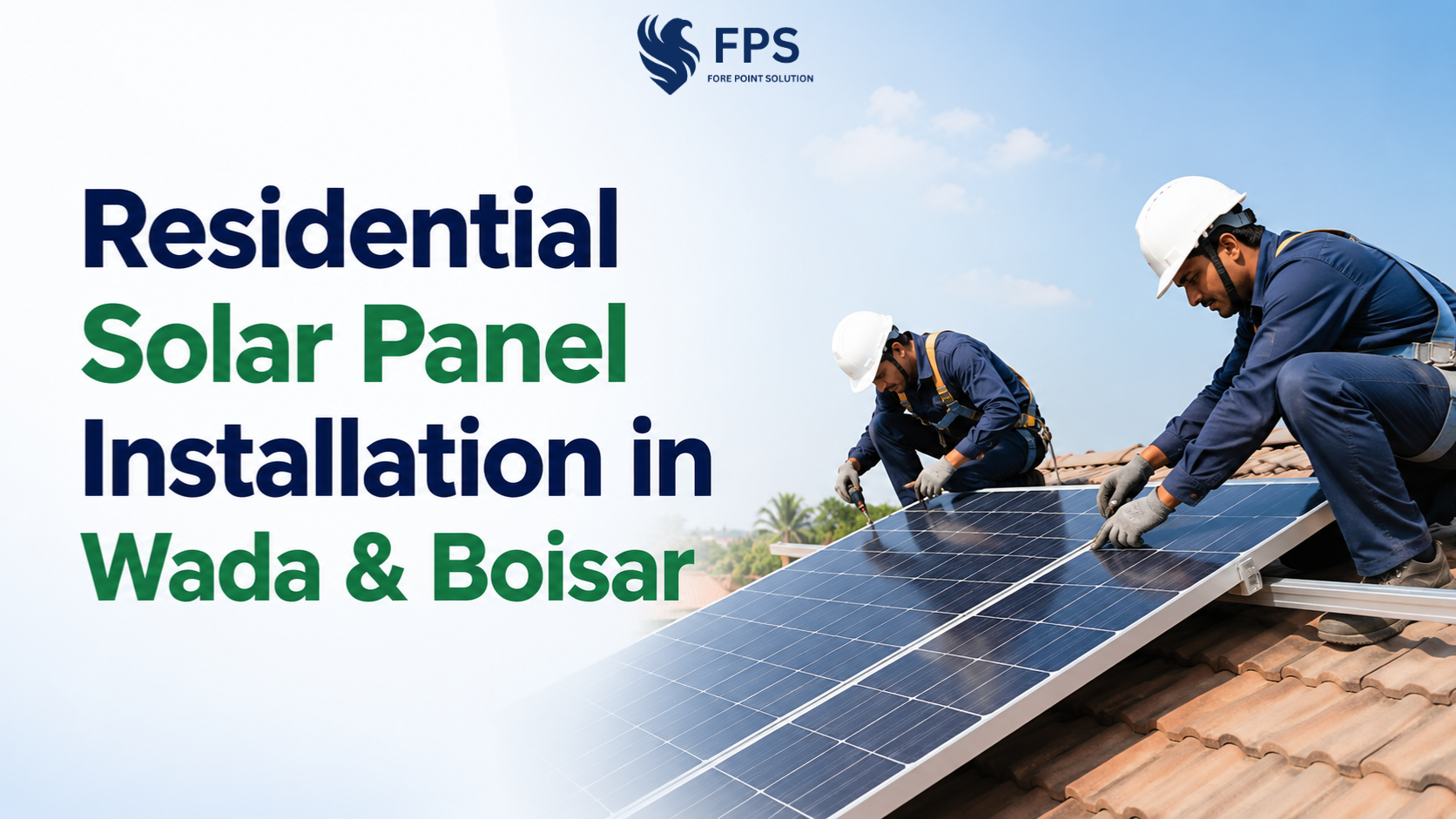
Residential Solar Panel Installation in Wada & Boisar: What Homeowners Should Know Before Switching to Solar
Residential solar panel installation is becoming increasingly popular across Wada and Boisar as homeowners search for smarter ways to manage rising electricity costs. With higher usage of air conditioners, water pumps, refrigerators, and work-from-home appliances, monthly electricity bills have increased significantly in many households. At the same time, homeowners are also becoming more aware of renewable energy solutions that provide long-term savings and reduce dependence on conventional power sources.
In regions like Wada and Boisar, where many homes have usable rooftop space, solar energy systems offer a practical opportunity to generate electricity directly from sunlight. However, installing a residential solar system involves more than simply placing panels on a rooftop. Factors such as roof structure, energy usage patterns, local weather conditions, and system planning all influence overall performance.
This is why homeowners are increasingly looking for experienced residential solar installation providers such as Fore Point Solution that understand local energy requirements and practical installation challenges.
Why More Homeowners Are Choosing Solar in Wada & Boisar
One of the biggest reasons homeowners are adopting solar energy is the continuous rise in electricity expenses. Modern households rely heavily on electrical appliances throughout the day, especially during summer months when cooling systems operate for extended hours. Over time, this creates substantial electricity costs that continue increasing year after year.
Solar power systems help homeowners reduce their monthly electricity bills by generating energy directly from rooftop solar panels. Since sunlight is freely available, solar systems provide a long-term solution for managing household energy consumption more efficiently.
Another factor contributing to solar adoption is the increasing awareness of sustainable living. Many homeowners now prefer energy solutions that are environmentally responsible while also offering financial benefits. Residential solar systems reduce dependence on fossil-fuel-generated electricity and support cleaner energy usage.
In areas like Wada and Boisar, detached homes and bungalow-style properties often have sufficient rooftop space, making them ideal for rooftop solar installations. Government net metering policies in Maharashtra have also encouraged more homeowners to invest in residential solar systems by allowing excess electricity to be transferred back to the grid.
As awareness grows, residential solar energy is gradually becoming a practical lifestyle upgrade rather than just an alternative energy option.
Is Your Home Suitable for Solar Installation?
Before installing a residential solar system, it is important to evaluate whether the property is suitable for effective solar energy generation. One of the most important factors is rooftop condition and available space. Homes with open terrace areas and minimal shading typically achieve better solar performance.
Roof direction also affects efficiency. In most cases, rooftops that receive consistent sunlight throughout the day are ideal for solar panel installation. Trees, neighboring buildings, water tanks, or other structures creating shadows may reduce energy generation efficiency.
Structural strength is another important consideration. Since solar panels and mounting structures add weight to the rooftop, installers usually inspect the roof condition before proceeding with installation. Proper structural assessment helps ensure long-term safety and stability.
Homeowners should also analyze their electricity consumption patterns before selecting a system size. A properly sized solar system is more effective because it aligns with actual energy usage instead of rough estimates.
Professional site inspections help identify these factors in advance and allow installers to recommend suitable system configurations for maximum energy generation.
Common Residential Energy Problems Solar Can Solve
Many homeowners in Wada and Boisar experience similar energy-related challenges throughout the year. One of the most common concerns is high electricity bills during summer seasons when cooling appliances run continuously. Solar systems help offset daytime electricity consumption, reducing the burden of rising utility costs.
Power fluctuations and occasional electricity interruptions are another issue in some residential areas. While standard on-grid solar systems primarily reduce electricity expenses, hybrid systems with battery storage can provide additional backup support during outages.
Homes with multiple high-energy appliances often experience heavy daytime power consumption. Washing machines, refrigerators, geysers, water pumps, televisions, and air conditioners collectively increase monthly energy usage. Solar systems help manage these energy loads more efficiently.
Another overlooked issue is underutilized rooftop space. Many residential rooftops remain unused despite having the potential to generate clean electricity for decades. Installing rooftop solar systems converts these spaces into productive energy-generating assets.
For homeowners planning long-term financial savings, solar energy provides better predictability compared to continuously rising electricity tariffs.
What Homeowners Should Check Before Installing Solar Panels
Before investing in residential solar panels, homeowners should carefully evaluate several practical factors to avoid future complications.
One common mistake is selecting solar installers based only on low pricing. Cheaper systems may compromise component quality, installation safety, or long-term efficiency. Instead, homeowners should focus on experienced installers who prioritize proper planning and quality materials.
Understanding warranty coverage is also important. Solar panels, inverters, and installation workmanship should include proper warranty support to ensure long-term reliability.
Homeowners should also ask about maintenance requirements. Although solar systems generally require limited maintenance, periodic cleaning and inspections help maintain consistent energy generation efficiency.
Another important consideration is future energy usage. Families planning to add appliances such as air conditioners, electric vehicles, or additional home equipment should discuss future scalability during system design.
Professional site assessments are essential because factors such as roof angle, sunlight exposure, and structural condition directly influence system performance. Working with experienced solar providers helps homeowners make informed decisions based on practical energy requirements instead of marketing promises.
Solar During Monsoon: What Residents in Maharashtra Should Expect
A common concern among homeowners in Maharashtra is whether solar panels work effectively during monsoon seasons. While heavy cloud cover may temporarily reduce energy generation, modern solar systems continue producing electricity even during diffused sunlight conditions.
Rainfall can actually help clean dust accumulation from solar panels, improving overall efficiency once clear weather returns. However, energy generation levels during monsoon months are naturally lower compared to peak summer conditions because sunlight intensity changes throughout the season.
This is why professional system planning becomes important. Experienced installers design systems based on yearly energy generation estimates rather than only peak summer performance.
Waterproof electrical connections, proper mounting structures, and high-quality installation practices are especially important in regions experiencing heavy rainfall. Correct installation helps ensure long-term durability and system safety during changing weather conditions.
Understanding seasonal energy variations helps homeowners set realistic expectations regarding yearly solar performance.
Understanding Net Metering for Residential Solar Systems
Net metering is one of the major reasons residential solar systems have become financially attractive for homeowners. Under net metering policies, excess electricity generated by the solar system can be exported back to the electricity grid.
For example, during daytime hours when household electricity usage is lower, surplus solar power is transferred to the grid. In return, homeowners receive energy credits that can offset future electricity consumption.
This process helps maximize the value of solar energy generation and significantly reduces monthly electricity bills over time.
Many homeowners initially assume solar systems only work when electricity is being actively consumed inside the house. However, net metering allows unused energy to remain financially beneficial even when consumption is lower.
Understanding how net metering works helps homeowners make better long-term investment decisions regarding residential solar energy systems.
Common Myths About Residential Solar Installation
Several misconceptions still prevent homeowners from exploring solar energy solutions.
One common myth is that solar panels only work during extremely hot weather. In reality, solar panels generate electricity using sunlight rather than heat, which means they continue functioning even during cloudy conditions.
Another misconception is that solar maintenance is expensive. Most residential systems require only periodic cleaning and occasional inspections to maintain efficiency.
Some homeowners also believe solar panels damage rooftops. Professionally installed systems use secure mounting structures designed to protect rooftop integrity rather than weaken it.
There is also a belief that solar systems are suitable only for very large homes. In reality, solar installations can be customized according to different rooftop sizes and household energy requirements.
Addressing these myths helps homeowners better understand the practical advantages of residential solar systems.
The Future of Residential Solar in Wada & Boisar
Residential solar adoption in Wada and Boisar is expected to grow steadily as more homeowners prioritize energy savings, sustainability, and long-term financial planning. Increasing electricity usage combined with rising awareness about renewable energy is encouraging families to explore smarter energy solutions for everyday living.
As solar technology becomes more accessible and efficient, residential rooftop systems are likely to become a common feature in modern homes across Maharashtra. Homeowners are gradually recognizing solar energy not only as a cost-saving solution but also as an investment in long-term energy independence.Choosing experienced installation providers plays an important role in ensuring proper system performance and reliability. Companies such as Fore Point Solution are supporting this transition by helping homeowners adopt pract


