


Solar System Maintenance and Usage: Essential Tips to Keep Your Solar Panels Working Efficiently

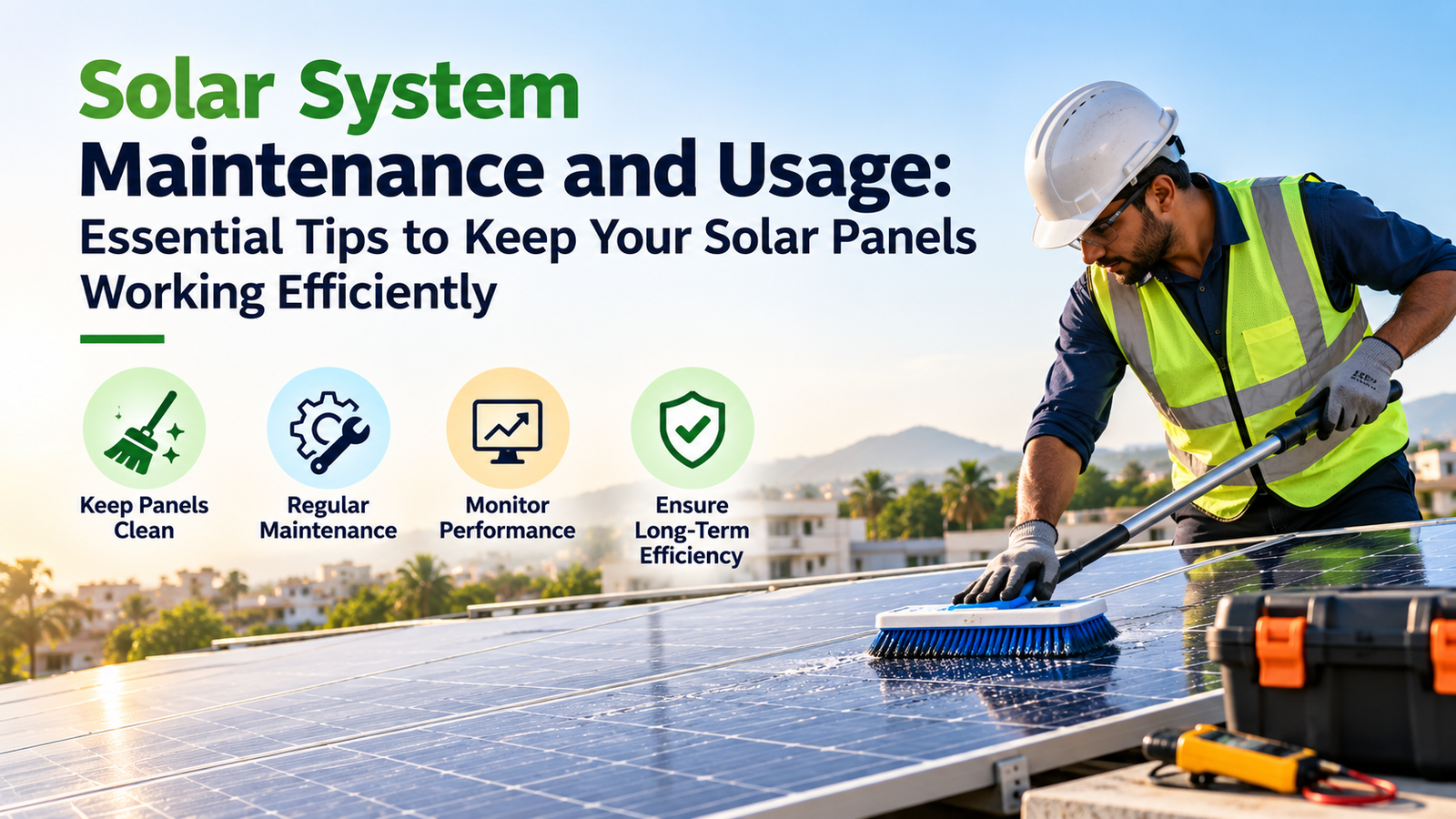
Installing a solar power system is only the beginning of your journey towards using solar energy. To get consistent value from your investment, you also need to understand how to use the system, monitor its performance and take care of the equipment over time. Dust, bird droppings, shading, weather changes and neglected maintenance can affect solar generation if they are not addressed.
Good solar system maintenance and usage do not require homeowners to perform complicated technical work every day. A few simple habits, such as checking generation data, keeping an eye on visible damage and following the manufacturer’s cleaning recommendations, can help you identify problems early and keep the system operating as intended.
This guide explains practical solar panel maintenance tips, how to use a solar power system efficiently and what homeowners should check to support its long-term performance.
Understand How Your Solar Power System Works
Before maintaining your solar system, it helps to understand the role of its main components. Solar panels convert sunlight into electricity, while the inverter converts that electricity into a form suitable for use by your property’s electrical system. Mounting structures secure the panels, and the associated wiring and protective equipment help the system operate safely.
The way you use solar electricity depends on your system type. An on-grid system works with the electricity grid, an off-grid system uses batteries or another suitable storage arrangement, and a hybrid system can combine solar generation, grid electricity and battery storage.
For example, a household with an on-grid system may use solar electricity during the day and draw electricity from the grid when solar generation is insufficient. Depending on the system configuration, surplus electricity may be exported to the grid. A battery-equipped system may store some excess energy for later use.
Understanding your setup helps you know when to use appliances, what your monitoring display means and which maintenance tasks apply to your equipment.
Ready to Reduce Your Electricity Bills with Solar?
Find out how much you can save before future policy changes and rising demand increase costs. Get expert guidance on the right solar system and available subsidy benefits.
Clean Solar Panels When Needed
Dust, leaves, bird droppings and other deposits can accumulate on solar panels and reduce the amount of sunlight reaching their surfaces. How quickly this happens depends on the local environment, weather, nearby trees, construction activity and the roof’s surroundings.
Instead of cleaning panels on a rigid daily or weekly schedule, check them periodically and follow the manufacturer’s recommendations. Rain may remove some loose dust, but it does not always remove stubborn deposits. If the panels are visibly dirty or generation remains lower than expected under comparable conditions, cleaning may be worth considering.
Panel cleaning should be carried out safely. Rooftops can be slippery, and solar equipment may present electrical hazards. Avoid climbing onto the roof or touching electrical components unless you are appropriately trained and equipped. Do not use abrasive materials, harsh chemicals or high-pressure cleaning methods unless the manufacturer specifically permits them.
For more detailed guidance, read our article on solar system maintenance best practices, which explains routine care and the importance of checking system condition over time.
Check Solar Generation Regularly
One of the simplest solar panel maintenance tips is to monitor how much electricity your system generates. Most modern inverters provide generation information through a display, mobile app or online monitoring portal.
Check the daily energy generation and, where available, monthly totals. Remember that power output, measured in kilowatts (kW), is different from energy generation, measured in kilowatt-hours (kWh). Your monitoring system may show both.
Solar generation naturally changes with sunlight, weather, season and shading. A cloudy day may produce less electricity than a clear day, so one low reading does not automatically mean something is wrong. Look for repeated changes under similar conditions. If the inverter shows a persistent error or generation remains unusually low, contact a qualified professional.
You can learn more about solar system performance monitoring through the Fore Point Solution blog section.
Use Solar Electricity During the Day
Using solar electricity efficiently can help you make better use of the energy your panels generate. If you have a grid-connected system without a battery, running suitable appliances during daylight hours may allow you to use more of your solar generation directly.
For example, you could schedule washing machines, water pumps or other flexible electrical loads during periods when solar output is usually higher, provided this suits your household’s needs and the equipment’s operating instructions.
However, not every appliance needs to run at midday. Essential electricity use should remain your priority, and you should not change safe operating practices simply to match solar generation. If your system includes a battery, your usage strategy may be different because stored electricity can be used later, depending on the battery configuration and settings.
For businesses, aligning suitable electricity demand with solar generation can also support energy-cost management. Our guide to commercial solar system performance explains the role of solar capacity, electricity usage and financial planning in commercial installations.
Keep an Eye on Shading and Surrounding Areas
Solar panels need access to sunlight to generate electricity. Trees that grow taller over time, new buildings, water tanks and other rooftop structures can create shading that was not present when the system was installed.
Periodically observe whether nearby objects are casting new shadows on the panels. If you notice a change, ask a qualified professional to assess its effect and discuss suitable options. Do not remove trees, alter rooftop structures or reposition panels without considering safety, permissions and the overall installation design.
Also keep the area around the inverter and other equipment clear as recommended by the manufacturer. Proper ventilation and access can help with heat management and maintenance. Avoid storing objects against electrical equipment or blocking its ventilation openings.
Arrange Periodic Professional Inspections
Regular visual checks and monitoring are useful, but they cannot identify every electrical or mechanical issue. Connections, mounting structures, protective devices, cables and inverter components may require professional inspection according to the system design and manufacturer’s recommendations.
A qualified professional can assess signs of damage, persistent performance changes, inverter warnings and other concerns that should not be handled by a homeowner. Inspection frequency depends on the installation, operating environment and equipment guidance.
The quality of the original installation also affects how easily the system can be maintained. Correct panel positioning, suitable mounting structures, properly installed wiring and appropriate protection help support safe operation over time. If you are planning a new system or reviewing an existing installation, see our guide to professional solar panel installation.
Protect Your Solar Equipment and Keep Its Documents
Keep your inverter model, panel specifications, warranty documents, manuals and installer contact details in one place. These records can help when requesting support, arranging repairs or checking warranty conditions.
Pay attention to inverter warnings, unusual noises, visible cable damage or signs of water entering equipment enclosures. Do not open the inverter or attempt electrical repairs yourself. If you notice a serious fault, follow the manufacturer’s safety instructions and contact a qualified professional.
You should also understand the system’s shutdown procedure and know where its isolators are located. Ask your installer to explain these details during handover rather than waiting until an emergency occurs.
Common Solar System Maintenance Mistakes to Avoid
Some maintenance mistakes can be avoided with a few simple habits. Cleaning panels too aggressively can damage their surfaces, while climbing onto a roof without suitable safety equipment can cause serious injury. Electrical components should never be opened for routine cleaning.
Another common mistake is assuming that every reduction in generation indicates a fault. Weather, seasonal sunlight and shading can all affect output. Compare readings over time and investigate persistent changes rather than reacting to a single low reading.
Finally, do not ignore repeated inverter warnings or postpone professional assessment when you notice damage. Routine monitoring and timely attention can help identify issues before they become more disruptive.
Conclusion
Effective solar system maintenance and usage involve more than cleaning the panels. Monitoring generation, using suitable appliances during sunny periods, checking for new shading, keeping equipment areas clear and arranging professional inspections all contribute to responsible system care.
For homeowners, the goal is to understand how the system operates, recognise unusual changes and address problems safely. Fore Point Solution can help you discuss solar installation requirements and maintenance needs for your property. Contact the team to explore suitable solar solutions for your home or business.
Frequently Asked Questions
Q1. How often should solar panels be cleaned?
Cleaning frequency depends on dust, nearby trees, bird activity, rainfall and the manufacturer’s guidance. Inspect the panels periodically and arrange safe cleaning when needed rather than following the same schedule for every property.
Q2. How can I use a solar power system efficiently?
Where practical, run flexible appliances during periods of stronger solar generation. Monitor your electricity use and understand whether your system exports surplus energy or stores it in a battery.
Q3. Do solar panels need maintenance every month?
Not necessarily. Monitoring and basic visual checks can be performed regularly, but professional inspections and cleaning should follow the equipment’s recommendations and the site’s conditions.
Q4. Why is my solar system generating less electricity?
Possible reasons include cloudy weather, seasonal changes, shading, dirt, inverter issues or monitoring problems. Compare generation under similar conditions and seek professional help if low output persists.
Q5. Can I clean solar panels myself?
Cleaning may be possible in some circumstances, but rooftop work carries fall and electrical risks. If safe access is not available, arrange cleaning through a suitably equipped professional. Follow the panel manufacturer’s cleaning instructions.
Q6. Does maintenance improve solar panel efficiency?
Appropriate maintenance can help prevent avoidable losses caused by dirt, shading or equipment problems. It cannot eliminate normal weather-related variation or guarantee a specific level of electricity generation.


